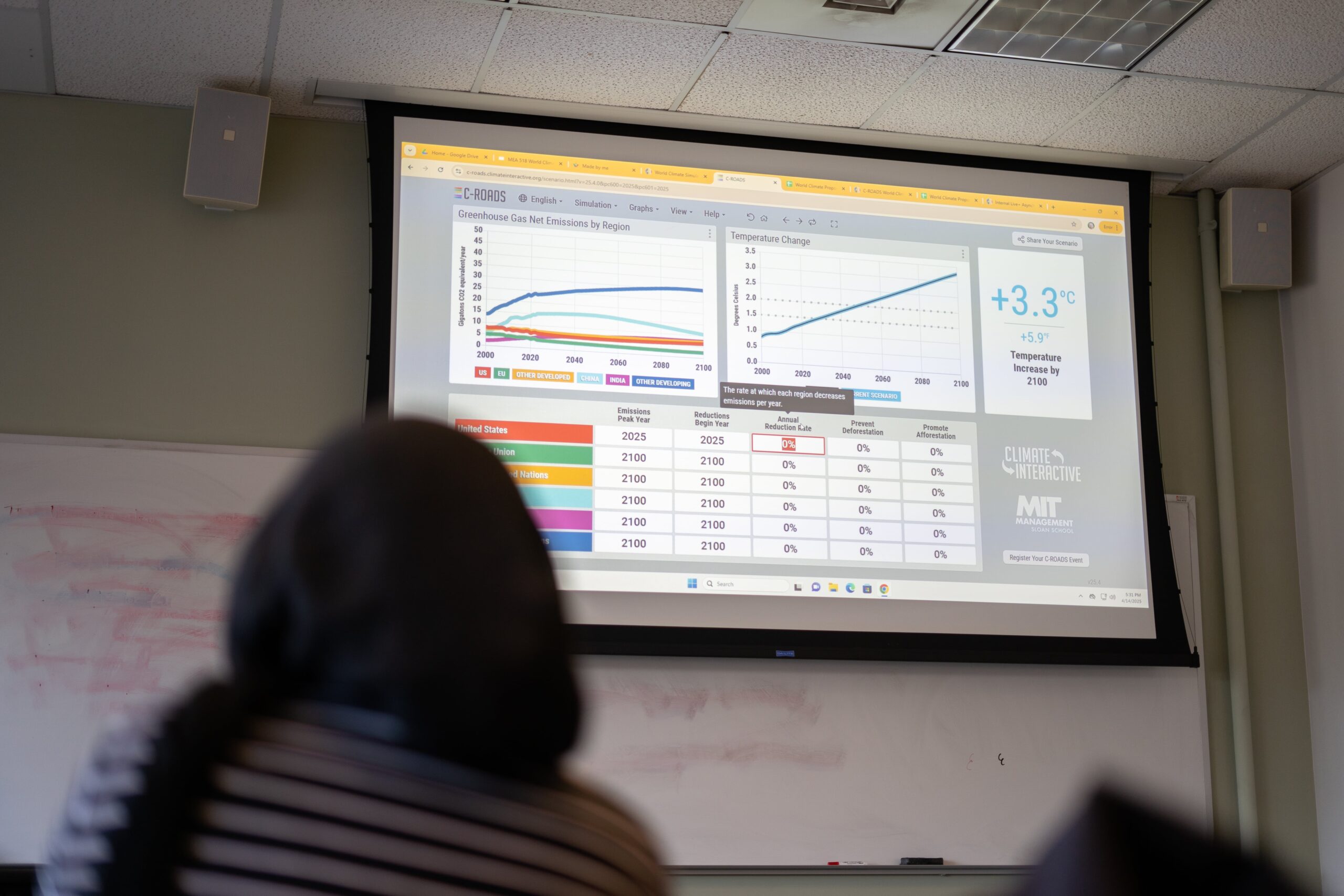
Equipping students with the climate knowledge and skills they need to develop informed policy and business decisions for a more sustainable, resilient future.
Climate change and climate variability pose risks and opportunities for nearly all human activities and sectors of the economy. There is a great and growing need for professionals who grasp the sector-relevant aspects of climate science. Businesses, government agencies and nonprofits need employees who can identify opportunities and help organizations respond resiliently to the risks posed by climate variability and climate change.
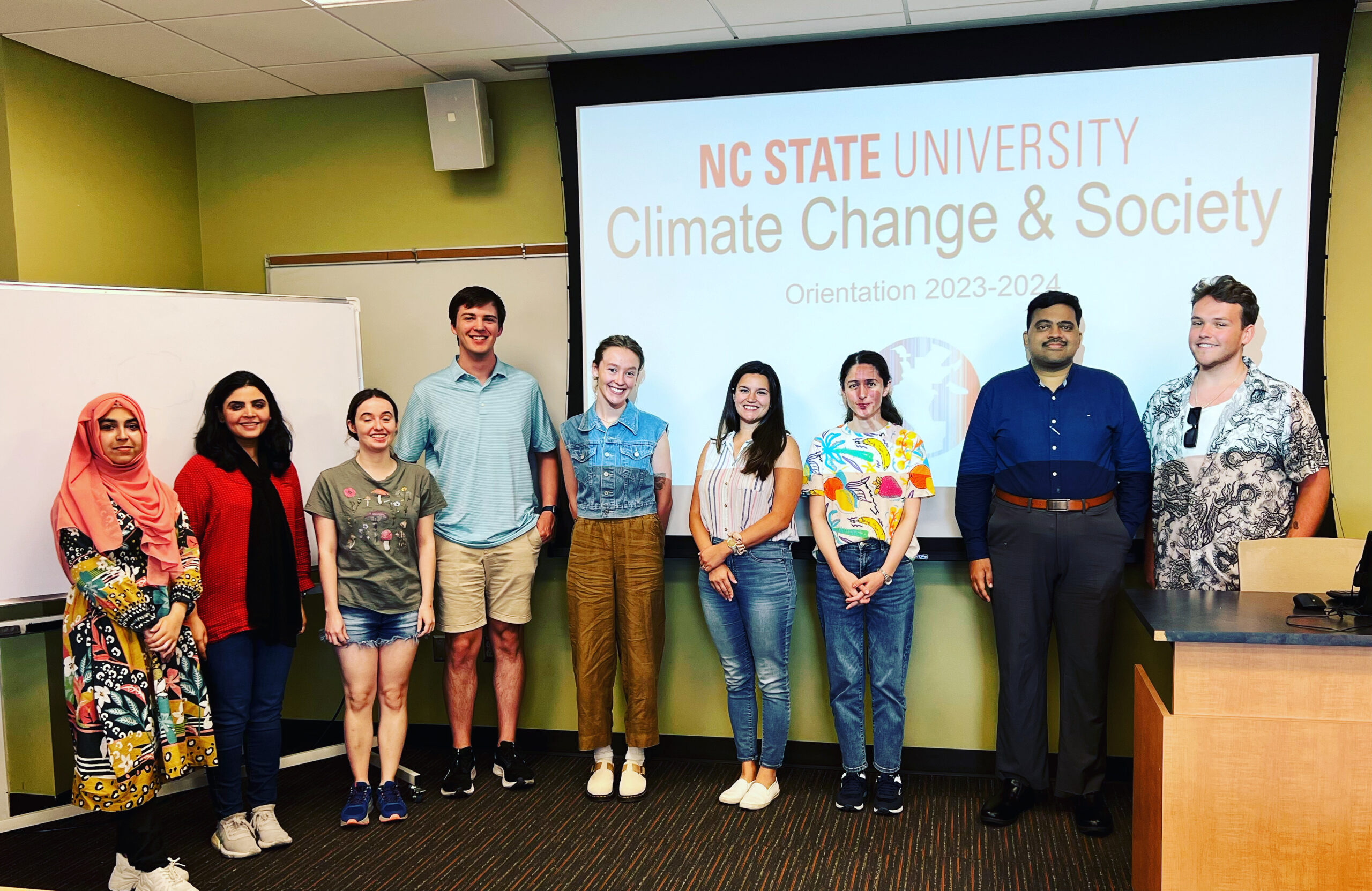
Students in the Climate Change & Society (CCS) program at North Carolina State University build a foundation in climate science and its implications for society, on which they build successful careers in the public, private or non-profit sectors.
View Application Deadlines
View important dates for fall and spring admissions.
Whether you’re in school or a second-career professional, our one-year graduate degree and four-course certificate program offer online and in-person courses that cater to your professional goals.
A Bridge Between Knowledge and Action
Our courses shape climate leaders with a strong understanding of climate science and communication. You’ll know what to say, and how to say it.
Built-In Experience
CCS master’s students build their portfolios in classes and are paired with a mentor to complete a hands-on project called the Applied Climate Experience (ACE).
Students with any academic background can succeed in our program. Students with liberal arts or business backgrounds gain fundamental knowledge of climate science. Those with math and science backgrounds gain policy and communication knowledge.
An ACE Case: The Applied Climate Experience Project
All CCS masters students complete a hands-on project called the Applied Climate Experience (ACE). Students partner with a mentor in their desired field of study at an organization (e.g. NOAA, NC Sea Grant) to tackle a real-world climate challenge. Whether you’re helping Nags Head’s transportation sector with road overwash or exploring the economic implications of imported fruit flies, you’ll gain real-world experience in solving the most critical problems of our time.
“The effective blend of technical and applied courses, along with the invaluable capstone project, are unique characteristics that set this program aside from others.“
Leah Kos
Masters program alumna, Communications Manager for USC Sea Grant
This program is intended for students and current professionals who are concerned with helping relevant sectors prepare for the effects of climate change. Many of our students are second-career professionals passionate about pursuing their career from a climate perspective.
What are the background requirements?
Applicants must have an undergraduate degree with a GPA of 3.0 or better and an undergraduate statistics course.
I don’t have a science background. Can I still succeed in this program?
Absolutely! Students from diverse academic backgrounds receive instruction to bolster their knowledge and skills. Incoming students with math or science backgrounds learn about the policy process and develop communication skills, whereas those with liberal arts or business backgrounds gain fundamental knowledge of climate science.